Professional Standards for BC Educators: Standard 9- Truth Reconciliaiton, Moving Forward Together
Standard 9 states that, “Educators respect and value the history of First Nations, Inuit, and Métis in Canada and the impact of the past on the present and the future. Educators contribute towards truth, reconciliation and healing. Educators foster a deeper understanding of ways of knowing and being, histories, and cultures of First Nations, Inuit, and Métis.”
Today our guest speaker honed in on Standard 9. In this session we practiced reflection, and talked how we can implement this standard in meaningful practical ways.
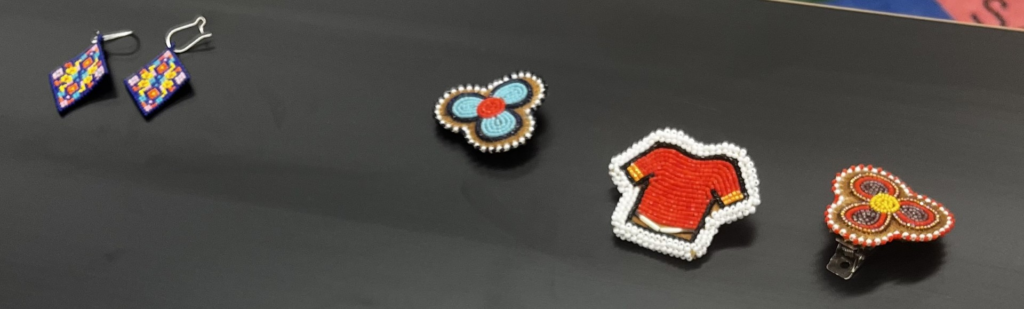
We started the class examinig stunning pieces of beaded work, and were asked to discuss how we could use these pieces in a lesson. We discussed how the pieces can spark discussions about different cultural practices, and the underlying meaning behind each piece, and their story. Everyone, and everything has a story..
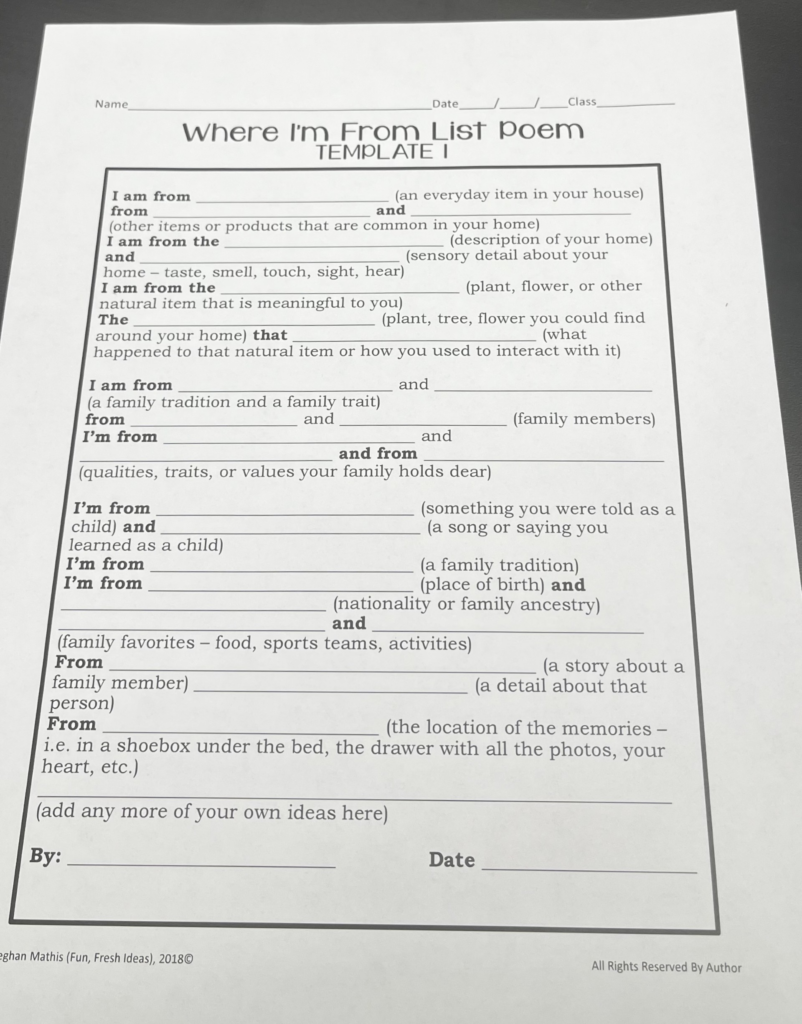
I thought this was very inspiring to hear the speaker talk about where she acquired some of the pieces from friends, and others she was unsure of how they were made, maybe a single mother sold the piece to feed her child. What I took from this discussion was that everything has a story, and encouraging our students to think about this helps them grow their perspective, and become more empathetic.
Another way educators could use the beaded items in a lesson is in math, students can examine the patterns in the beaded work, the number of beads, and this can recorded in charts, or turned into word problems.
Our guest speaker highlighted that it is important to understand the difference between culture appreciation vs appropriation. Culture appropriation is where someone borrows something from a different culture without an understanding of its significance, respect, or permission. Culture appreciation is appreciating, and showing respect, and honouring elements of a culture. It recognizes the value of diversity, and involves seeking to learn more about a culture in a respectful matter.
Next we discussed questions to consider as Educators that support Standard 9:
Why is important to be aware of First Nations?
Indigenous Peoples have a unique and special relationship with the land, language, and community, which shapes their identity and ways of knowing. Being of the Indigenous Peoples traditional land you get to learn on is integral to working towards reconciliation. Recognizing and valuing Indigenous identities is important because it affirms the strength and resilience of Indigenous Peoples, honours their contributions, and supports the ongoing work of truth and reconciliation. As educators, we must celebrate and uplift Indigenous voices in our classrooms, so that our students see the richness of Indigenous cultures and take steps to work to towards reconciliation.
Why does community mean?
Community can look like several different things, community is created within sports teams, classrooms, families, neighbourhoods, in the province, within cultures, it is a shared sense of belonging, care, and responsibility for one another. As educators, we should create a space where all students feel safe, valued, and heard for a strong classroom community.
How can you make sure all students feel seen?
Ensuring all your students feel seen starts on the first day of school when they come into your class. You begin by doing your best to get to know them, their backgrounds, interests, strengths, and challenges. A fantastic way to make sure you are representing a wide variety of identities and cultures is through literature. Dr. Bishop’s mirrors, windows, and sliding glass doors shares how literature can let students see reflections of themselves, give insight into another perspective, and let students step into someone else’s shoes for a moment creating a greater impact and understanding all through diverse literature. Celebrating and representing diversity in the classroom ensures you make students feel valued and seen.
What does it mean to be in relation?
To be in relation means to recognize that we are all interconnected- not just with other people, but with the land, animals, ancestors, and future generations. Being in relation means acknowledging our responsibilities to one another and the world around us. As educators, we can instill this by fostering relationships with our students, families, and communities in meaningful ways. It also means teaching students about their responsibilities to care for others and the land, emphasizing that learning is for the success of all.
My Biggest Takeaway..
From todays guest speaker a major take away I had was that there are going to be mistakes along my journey of learning about Indigenous education, while I incorporate it into my classroom. This is part of the process, all things in the profession take practice, research, but the important thing is that I continue to try to incorporate Indigenous pedagogy and knowledge into my lessons.
Resources:
Mirrors, Windows, and Sliding Glass Doors — Rise Up Against Racism

This presentation related to several teacher competencies. The biggest connections I had made were to competencies #9: practice respect for all learners from all cultures, including, specifically, Indigenous learners, and #11: implement pedagogically context-appropriate sound practices linking assessment for/as/of learning, planning for learning, instructional strategies and approaches to engage all students in relevant and personalized learning.
Connection to Competency 9 – Respect for Indigenous Learners:
Today’s presentation strongly aligned with competency 9, which emphasizes the importance of respecting and valuing the histories, cultures, and ways of knowing of First Nations, Inuit, and Métis peoples. Through the exploration of beaded artwork, we were invited to reflect on the significance of cultural expression and storytelling. The beading pieces served as powerful entry points for discussion, encouraging us to consider the personal and historical narratives embedded within them. This practice fosters a deeper understanding of Indigenous ways of knowing and being, and highlights how every object and person carries a story worth honoring. The session reminded us that meaningful integration of Indigenous content is not about surface-level inclusion, but about fostering genuine respect, curiosity, and dialogue. It also reinforced our role in contributing to truth, reconciliation, and healing through intentional and reflective pedagogical choices.
Connection to Competency 11 – Linking Assessment, Planning, and Instruction to Engage All Learners:
This session also demonstrated key aspects of competency 11 by modeling how thoughtfully chosen materials, like beaded artwork, can inspire relevant, personalized learning experiences. By engaging with culturally rich artifacts and reflecting on their use in the classroom, we were encouraged to think about how to design learning that connects with students’ identities, backgrounds, and worldviews. The approach promoted inquiry, critical thinking, and reflective dialogue, all of which are central to formative assessment and student engagement. It emphasized the importance of planning lessons that are not only curriculum-aligned but also culturally responsive and student-centered. By using materials that invite storytelling and personal connection, educators can design instruction that is pedagogically sound and inclusive of diverse learners, particularly Indigenous students.
https://youtu.be/w4sBNxiA7YI?feature=shared
